Fragrance holds a special place in Arabian culture. For thousands of years, perfume and aromatic oils have been integral to daily life, spiritual practices, and social customs throughout the Arabian Peninsula and the Middle East.
Understanding the history and cultural significance of Arabian fragrances provides insight into why these scents remain so beloved and valued today.
The use of fragrance in the Arabian Peninsula dates back over 3,000 years. Ancient Arabian civilizations recognized the value of aromatic substances early on, utilizing them in religious ceremonies, medicinal practices, and personal adornment.
Oud, often called “liquid gold,” became the most prized fragrance ingredient in Arabian culture. Derived from the resinous heartwood of the agarwood tree, oud has been treasured since ancient times for its rich, complex aroma and rarity.
Historical documents show that Arabian merchants were among the first to establish trade routes specifically for fragrant materials. The ancient Frankincense Trail connected Arabia to Egypt, Persia, and beyond, facilitating the exchange of precious aromatic resins and oils.
Arabian traders became known throughout the ancient world for their expertise in identifying, harvesting, and trading the finest fragrances. This reputation established Arabia as the global center of fragrance knowledge and quality.
Oud holds unparalleled significance in Arabian traditions. More than just a fragrance, oud is considered a luxury good, a status symbol, and a cherished gift.
In Arabian culture, wearing oud is a form of self-expression and respect. The application of oud oil is part of grooming rituals, and sharing oud is an important gesture of hospitality and honor.
The value of oud reflects both its scarcity and the extraordinary skill required to harvest and process it. The finest bottles of aged oud can cost thousands of pounds per ounce — making it one of the most expensive raw fragrance materials on earth.
In Gulf culture, the home itself is considered an extension of personal identity — and its fragrance is central to that. Bakhoor (incense chips soaked in oud oil) has traditionally been burned to welcome guests, mark celebrations, and maintain the home’s spiritual and sensory atmosphere. The ritual of passing the bakhoor burner from person to person, allowing the smoke to rise through clothing, remains one of the most distinctive expressions of Arabian hospitality.
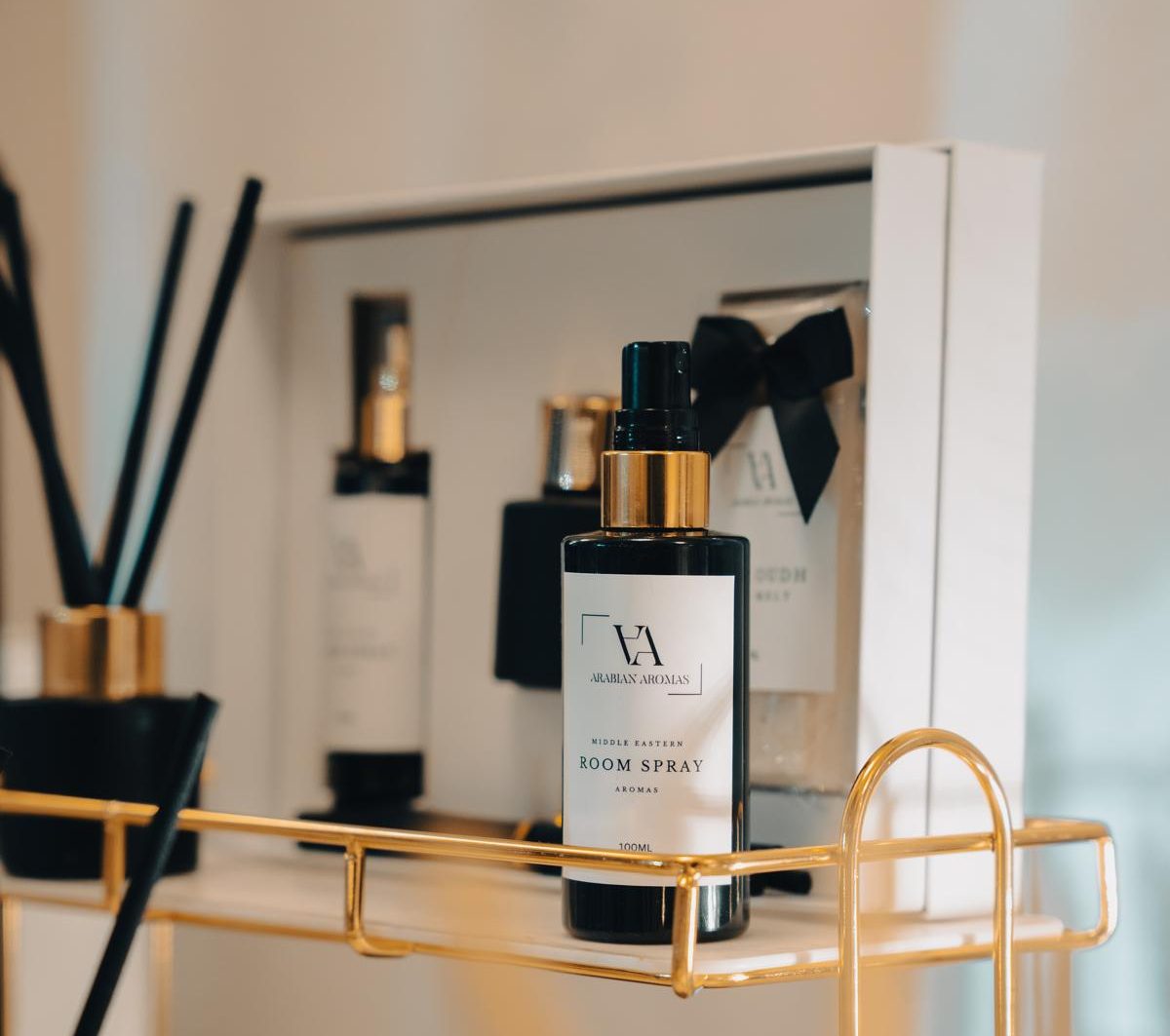
Today, many UK households are rediscovering these traditions through smoke-free alternatives — oud wax melts and reed diffusers that deliver the same authentic Gulf fragrance without smoke, ash, or fire risk.
The appeal of Arabian fragrance has grown significantly in the UK over the past decade, driven by the British South Asian and Arab communities who grew up with these scents, and a wider audience drawn to their complexity and longevity. Where Western home fragrance tends towards light, fresh, and fleeting, Arabian fragrance is deep, warm, and lasting — qualities that speak to an increasing desire for home environments that feel genuinely luxurious rather than merely pleasant.
Arabian Aromas was founded in London to bridge exactly this gap — bringing authentic Gulf fragrance heritage into UK homes in a form that works with modern life. Browse our full collection.
Join the Arabian Aromas family. Be the first to know about new scents, limited editions and exclusive offers.
✦ Thank you! Check your inbox for your discount code.